
Whoa!
Okay, so check this out—Phantom is one of those browser wallets that feels like it was built by people who actually use Solana every day, not some lab-coat designers tucked away in a corporate silo.
At first impression it’s clean, fast, and the UX rarely gets in your way, which matters a lot when you’re trying to sign a five-second transaction and not babysit prompts for ten minutes.
But my instinct said to dig deeper because I’ve seen pretty UIs hide messy permission screens, shady links, or somethin’ like that—so I tested it across Brave, Chrome, and Firefox to see what stuck and what didn’t.
Here’s the thing: usability is only half the story; the other half is how the wallet handles keys, connections, and the weird edge-cases that show up when you actually use dapps and hardware wallets together.
Whoa!
Installation is deceptively simple—add the extension, create a wallet or restore from a seed phrase, and you’re in—but that simplicity is also the attack surface if people aren’t careful about where they click.
When you install a wallet extension, your browser is a gateway; if a malicious site tricks you into granting a permission, that can cascade into funds risk.
So although Phantom’s onboarding is friendly, treat it like a car with a great stereo—don’t ignore the brakes and the engine, meaning back up your seed phrase and verify the extension origin before you click “add.”
Really?
Whoa!
Here’s a quick practical checklist I use every time I set up a new wallet on a fresh machine: verify the extension source, create a strong passphrase for the wallet, write the recovery phrase on paper (not a notes app), and test with a very small transaction first.
Initially I thought a screenshot backup was fine, but then realized that screenshots can be exfiltrated by malware, so I switched to physical copies and a securely stored hardware option for larger holdings.
On one hand the browser convenience is unbeatable for day-to-day interaction with NFTs and DeFi, though actually for long-term storage I lean toward combining Phantom with a Ledger for the private keys.
Hmm…
Whoa!
Let me pause and say something obvious: never paste your seed phrase into a website or a text field, and never share it in chat—yet people still do this, repeatedly, and it drives me nuts.
Phantom doesn’t ask for the phrase after setup, and if a site asks you to paste it to “verify” ownership, that is a red flag worthy of immediate tab closure and a second cup of coffee to steady your nerves.
My gut feeling is that social engineering is a bigger threat than brute-force exploits for most users, because the crypto world trains people to be casual with copy-paste behavior and quick approvals.
Really?
Whoa!
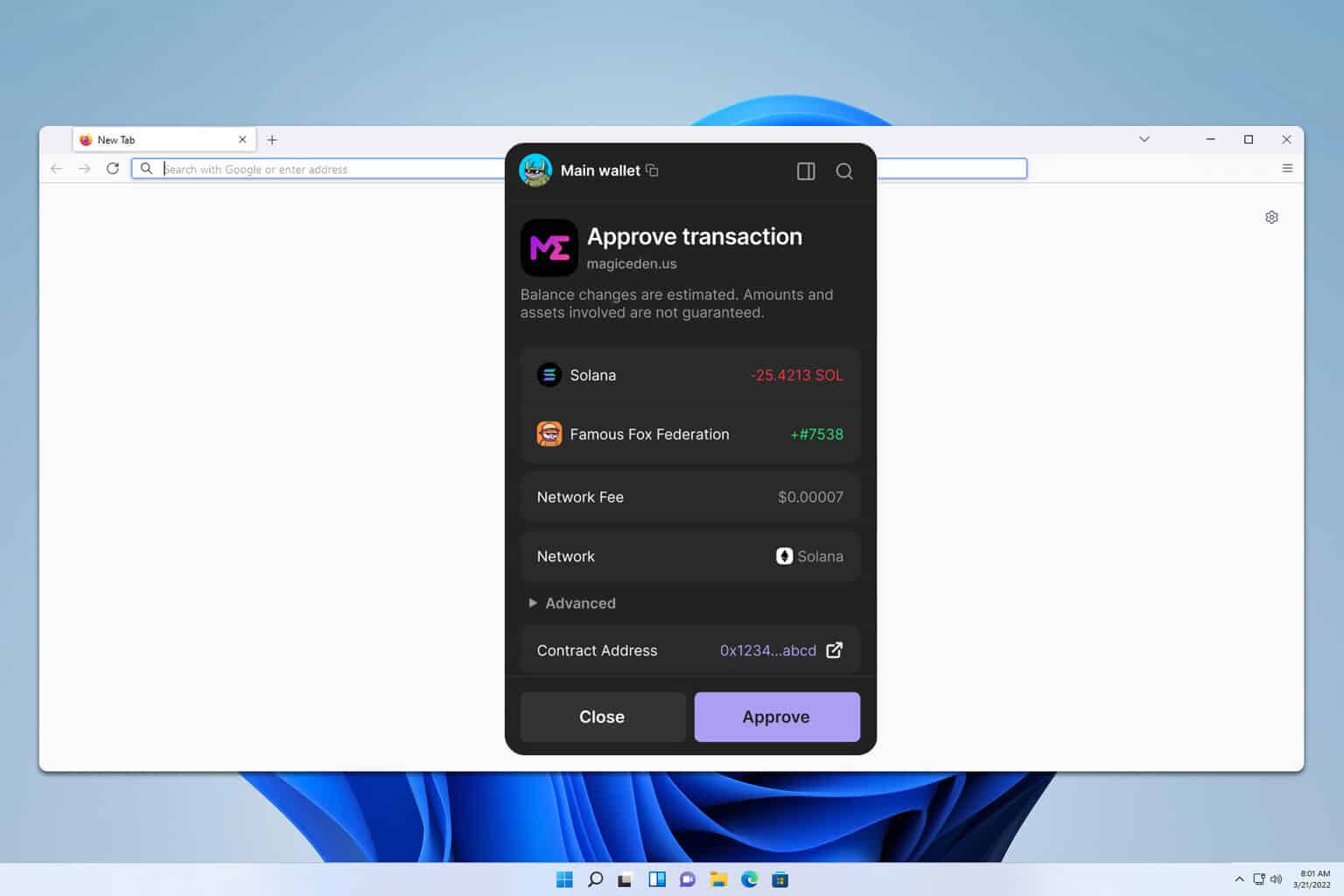
When dapps request access, Phantom shows a permission popup—read it before you accept; permissions can include the ability to view addresses, request signatures, and initiate transactions.
Two medium tips: only connect to dapps you intend to use, and review the contract interaction text if it’s shown, because sometimes approvals are broader than they appear.
On deeper analysis, you’ll find that Phantom’s permission flow is readable but not foolproof, which means users need a habit of double-checking origins and verifying contracts on block explorers when unsure.
Okay, so check this out—
Whoa!
Phantom supports hardware integration with Ledger devices, and that’s one of the few ways to keep your seed phrase analog while still enjoying browser convenience.
I tested signing flows between Phantom and a Ledger Nano, and the experience was solid, albeit sometimes finicky depending on browser permission quirks and firmware versions.
Actually, wait—let me rephrase that: it worked smoothly on most browsers after I updated the Ledger firmware and toggled the right experimental settings, but you should expect a troubleshooting step or two if your browser blocks USB devices.
Hmm…
Whoa!
Transaction previews in Phantom are pretty good; they show network fees, the program being called, and a summarized instruction list for multi-step ops, which is more than some wallets bother to display.
That transparency matters when you’re interacting with DeFi composability—because a single click can trigger a chain of token movements across several programs, and you want to know which ones are involved.
On the flip side, not all dapps surface readable descriptions, so sometimes the popup will show technical program IDs that require you to cross-reference a block explorer to be sure what’s being called.
Whoa!
Whoa!
Phantom also has a built-in swap feature that’s convenient for quick trades, and it routes through liquidity sources to get competitive quotes.
But be mindful: slippage, fees, and front-running are real on any chain, and Solana’s speed doesn’t immunize you from bad price execution if you’re not careful about settings.
My working rule: use the swap for small or time-sensitive trades, and use a more deliberate route for large orders where you can break into smaller pieces or use limit mechanisms if available.
Really?
Whoa!
Privacy-wise, browser wallets inherit web fingerprinting risks—your wallet activities can be correlated across sites if you reuse addresses or connect frequently to many dapps without care.
So I create secondary accounts for low-value interactions or for exploring new dapps, which helps compartmentalize risk and makes it harder to tie everything back to my primary holdings.
That tactic isn’t perfect, though; IP-level tracking and on-chain clustering can still provide signals, so consider using privacy-preserving practices if you care about anonymity.
Hmm…
Whoa!
For troubleshooting: if the extension disappears after an update, check your browser’s extension settings and profile sync—sometimes the update flips a flag or requires a re-enable; weird, but true.
Also, if transactions hang, check network congestion and node status; sometimes a different RPC endpoint helps, and Phantom allows switching RPC providers in settings for those who know what they’re doing.
I’ll be honest—I had to switch endpoints once during a congestion spike, and that fixed a string of failed transactions that otherwise looked inexplicably broken.
Really?
Whoa!
If you want to share access for viewing only, Phantom supports read-only address sharing by exporting an address or using a watch-only mode via public keys, which is handy for bookkeeping or tax tracking.
Be careful: export private keys is different and dangerous; only export public addresses when you want someone else to see balances without control.
On balance, Phantom gives a nice set of features for both newcomers and advanced users, but your personal security habits are the real determinant of safety—no wallet can protect a seed you blurt out to a stranger.
Wow!
How to get started safely (and where to click)
Whoa!
Start by visiting the extension store for your browser or the official Phantom website; if you prefer a direct guide, you can use this link to the supported download page for the phantom wallet download extension—but verify the publisher name and reviews before installing.
Create a new wallet, write down the recovery phrase on paper, set a strong local password, and then do a tiny test transfer to confirm everything is working as expected before moving more funds.
Something felt off about automatic backups in my head, so I avoid cloud-synced backups for seed phrases and recommend the same to you unless you have an encrypted hardware kit and a clear plan.
Whoa!
Frequently Asked Questions
Is Phantom safe for NFTs and DeFi?
Short answer: yes for everyday use, but not as a cold-storage replacement; use hardware for large holdings and verify dapp permissions before approving any transaction because NFTs can trigger complex contract calls.
Can I recover my wallet if I lose my device?
Yes, with your seed phrase you can restore the wallet on another device—so protect that phrase like cash, not like a password you can reset with an email.
What if I see an unknown program requesting signatures?
Pause. Check the origin, inspect the program ID on a block explorer, and if in doubt refuse the signature and research the dapp; sometimes community forums or the dev’s official channels will clarify expected behavior.